Category: Archive

Cracks

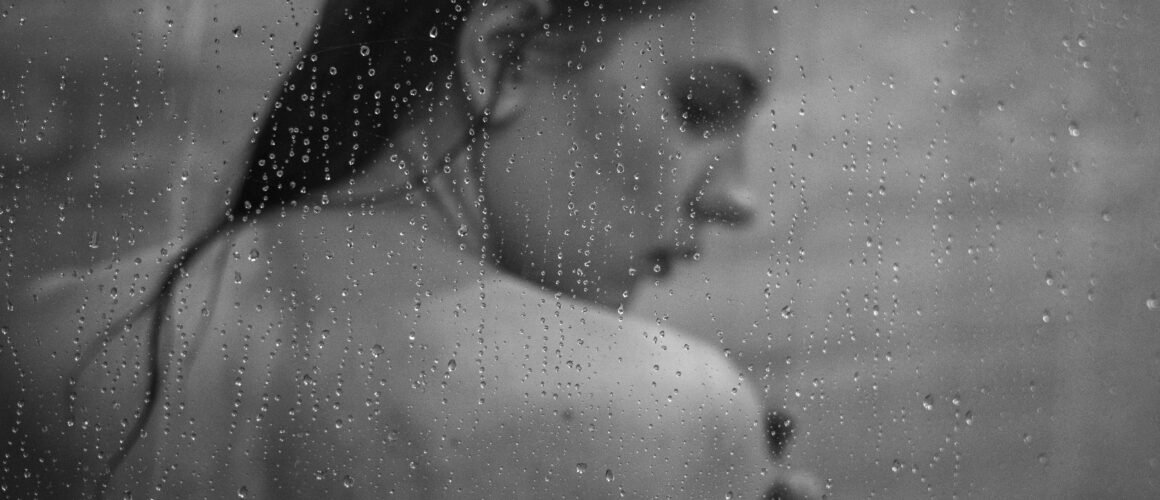
She stands under the water until she’s newborn red. Until she could peel. The scalding heat eats its way over her skin, seeping into her bones as she allows the heaviness of water to tip her head backwards.

Two short cracks bisect on the ceiling. The paint curls away from their intersection like the leaves of an origami fortune teller a child might make. There is a swelling that pushes the furls apart; something round, something full, under the thin white skin. She stretches, wondering if it will be firm or soft, if it will tear as she brushes the pads of her fingers across it. But it is out of reach.

She spreads her hands flat across her stomach and arches her spine into the jet of hot water. The weight pushes her to her knees.


He’s been watching this wound surface, pushing through the cracks like a blister. A silent sore. He wonders if she thinks he’s turning a blind eye. Really he just doesn’t know what to do for the best.

But he knows it has gone past the point where he can keep on doing nothing, and he imagines the consequences of his failure to act as he squeezes his eyes shut, pushes his palms against the wall. He tries to concentrate on the water as it thrums over his scalp.


She presses her wrists against the cool porcelain of the sink as he leans in the doorframe. He reaches for her, asks her what she thinks it is. And she makes herself look up.

What doesn’t kill you makes you wonder

Dad says if you try hard enough you can drown in a teacup. In two stern bobs of an Adam’s apple he downs his tea, bringing the cup down hard the cup in the middle of the saucer with a scrape I can feel somewhere between my shoulder blades.

The heads of the delicate pink roses that pattern Grandma’s china are bent earthwards. As if they haven’t yet had a chance to turn their faces to the sun. Or they’re already wilting.

I consider the volume of liquid in the cup. The amount of water I must never swallow through my nose.

At 8, these are words a girl can drown in.


At Phys Ed I let the others line up ahead of me, playing for time. Certain the fire alarm will go or the teacher will change her mind about the whole damn exercise because two things are true: I know I can’t do this and I know I can’t fail.

Everyone meets the water with their fingertips, without hesitation. Giggling girls in fluorescent swimming caps collect in a corner and turn in my direction.

Toes curled on the edge, I tuck my chin, raise my arms as the bleachy scent invades my nostrils. I crouch, but with no evidence of commitment, the teacher presses the pads of her fingers into my back. It is just a nudge I am not ready for.

My whole body stings onto the surface. Graceless, I slow-motion flap with my eyes scrunched shut, begging God my body isn’t pointing the wrong way.


The others seem to know what to do when the wave machine starts; when to jump and when to plunge. I am rhythmless. Wave surge over my head, the shapes of bright bodies softening around me. My breaths gurgle when I snatch the surface for a second. I don’t want to make a scene but it occurs to me there’s a very real chance I’m drowning this time. I try to wave at the lifeguard, dragging water into my lungs, wondering how many teaspoons make a teacup.

Years later, I realise all I had to do was turn my back on the waves, walk to the shallow end. That was all I needed to do. But I cling to the side, my arms stretching like gum until I figure out how to use the swell, and haul myself out onto the side. Not for the last time, I have to be my own rescuer.


Years later, I sputter out another length. Bringing my arms down with inelegant slaps, I lift my head up like I’m not supposed to when I turn.

You’re getting better. Relax into it, and slow down. You’re doing fine.

I try to believe he’s not paying me lip service, and I realise this is the hardest thing, harder than the techniques; to trust new words that aren’t 30 years old.

And I need them. I need them like air.


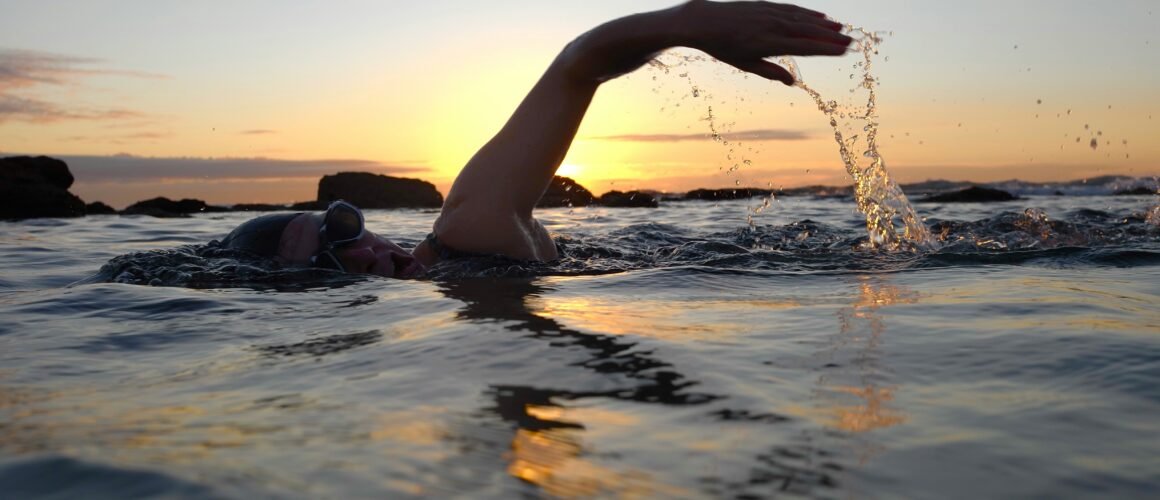
One day, I am a blade. Slick and dark, I slice the swell, the water beneath throbbing and shrinking. The ocean’s voice is the only one I hear when I turn and breathe the salt-air. And my own as I exhale.

You’re fine. You always were.

Louise

The thunder that meant the end of summer sent us running inside, just as the rain started hissing on the path. Fat drops topped up the paddling pool.

We sat in the doorframe and dared Louise to do something we wouldn’t, for fear of a leathering. 

She pulled off her swimsuit and exploded over the threshold. The grass licked her heels and her fine hair soaked dark against her back, as she sprinted towards the leylandii and launched herself through, like she was diving into a deep pool.

We sat with our mouths open and a towel across our laps.

The Tipping Point

A strand of hair stretches out across the tiles. A toe has caught it; tugged it into a soft arrowhead that points towards the changing rooms, where the others have gone. Olivia looks at the chips in the grout. They make her think of broken teeth; black voids in a beige smile. Sour blood, from the hole she has chewed in her cheek, washes through her mouth.

Arms in front, chin tucked. Toes over the edge, bend the knees. And tip forwards.

Olivia holds herself this way until her thighs burn and the teacher says, it’s okay, you can do this.

The words are warm and close on her cheek but Olivia has learned that nothing is given freely, like a teacher’s lunch hour, so she watches for signs of anger in the woman’s face, a ripple under the pale fur of her make-up. Olivia waits for her to say, you are wasting my time, and wills her to know that she is trying, really trying.

Arms in front, chin tucked. Toes over the edge, bend the knees. And tip forwards.

Olivia stands like this until her arms sag and the teacher whispers, you can do it, I know you can.

The arrow of the outsize clock spins out the minutes as Olivia thinks of the girls in the changing room, laughing as they slick sticky deodorants under their arms. Libby Turner who is shit at everything but could do this. Hannah, who said she was scared too, but actually wasn’t. She stands there and wishes she was any one of them.

Arms in front, chin tucked. Toes over the edge, bend the knees. And tip forwards.

The overhead fluorescents flicker on the water which looms like possibility, and Olivia imagines slipping from herself, shedding her layers by the side of the pool, and surfacing after the dive, unremarkably remade and the same as the rest. Free from herself is free to get it wrong and she thinks about wrong answers, wrong boys, wrong decisions. She will emerge and live uncertainly; without hesitancy.

She will emerge.

But Olivia stays locked in the crouch until the teacher says, okay, that’s enough for today.  You’re okay.

And Olivia thinks, I’m not, as she crumples towards the changing rooms and remembers the unsugared ending of a fairy tale, the one where the mermaid melts into foam on the waves.

Three Replays

1.

They sit in rows. The boys with their legs crossed; the girls with their legs to the side. Because that’s how ladies sit, Mrs McCarthy had said. Wiry carpet fibres puncture Marie’s tights and she scratches at the prickles. There’s a thin grey fur all over the black nylon and Marie longs to wet her hands, to wipe them down her legs and make the fabric very black again.

Mrs O’Connor and Mrs McCarthy push-pull the TV into the room, edging the tin stand past splayed fingers. A rubber wheel whines softly, and Marie thinks it sounds like a please, please, please, but it doesn’t cut through the crisp packet rustle of the others. One of the teachers flicks the lights and Marie sees girls around her scooching together, already cupping their hands as they lean into curtains of hair.

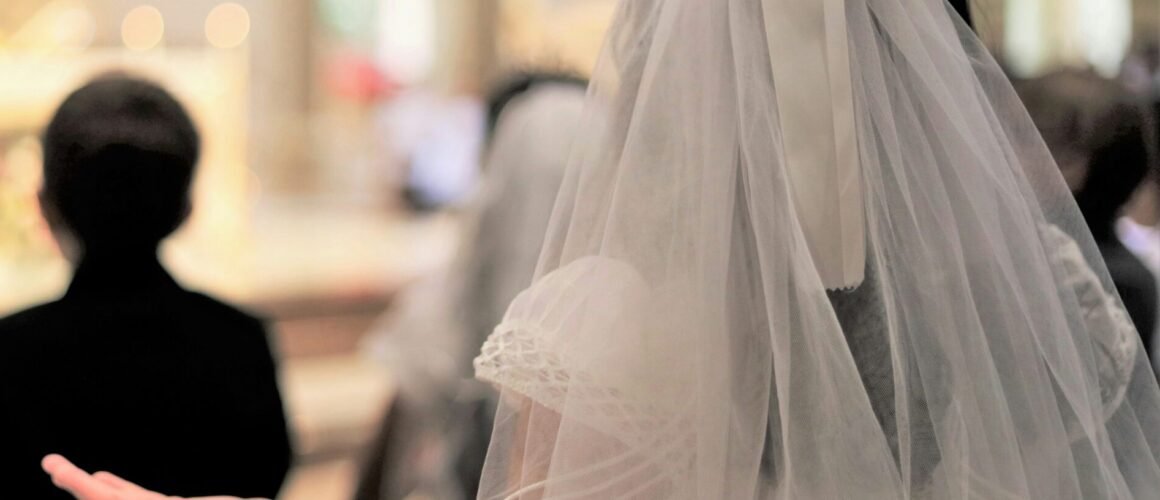
The sandstone arch of the church ends catwalks from all directions, and families pause to wave at the videographer before they go inside. The twins arrive first; identical chestnut hair bouncing in identical silky ringlets below the hems of their veils. Then Grace, Hannah and Lauren, in short dresses. Marie’s ma said she had to get a long dress because bare knees weren’t appropriate for Our Lord. And she definitely wasn’t buying Marie fancy lace gloves either, for Chrissakes.

Aisling O’Flanagan appears, bony shoulders jutting ruffled angles everywhere. There’s a spike in the whispers. The twins dip their heads, shoulders shaking, and hissed words ebb and flow. Marie looks at Mrs O’Connor but she’s whispering at Mrs McCarthy, who’s filing her nails. Aisling’s looking down at her nails too.

Beaming, Aisling’s Mum elbows her daughter’s shoulder and points at the camera. The videographer zooms in and the girl’s face briefly droops wide across the screen. Aisling lowers her eyes and turns away. She follows a group of boys inside; carbon copies in white shirts and cable-knits, regal red knotted at their throats.

Marie sees herself arrive; sees the oblong bodice with the alter boy ruff, the frilly ankle socks and the ivory patent shoes. The skirt is flat; triangular, and too short for a long dress. Marie thinks about the other girls. How full they look with their skirts like upturned tulips or layers of rose petals; textures of white tulle bound with wide satin bows. She closes her eyes and bows her head. Let us pray.

When she looks up, Melissa’s cloudy curls fill the screen, sprays of tiny white buds twisted through the green halo on her head. The teachers nudge each other and look at real Melissa, then TV Melissa, and back to real Melissa again who straightens her back with a toss of her hair. Mrs McCarthy clutches a hand to her chest. Marie thinks, as if she’s trying to stop her heart from escaping.

2.

At home, Marie holds down a button on the remote until the part where she gets up to read from the bible. She bows at the alter and approaches the lectern, hands joined the way they told her to.

The sound quality of the video is awful, but Marie’s voice is clear and even as she projects her words towards the back of the church. Marie thinks how easy it was, just to get up there and do exactly as they asked. To speak slowly, enunciate, and look up to say This is the Word of the Lord. She waits for the congregation to say Thanks be to God, and sits back down. She knows she does it well, flawlessly in fact, and she watches it again and again, pleased that she didn’t trip on Corinthians; relieved that she was able to be perfect at this one thing.

Because the others aren’t, she thinks. James mumbles and Amy talks too quickly; Mark doesn’t look up when he’s done. Marie thinks, you didn’t practice. You didn’t practice as hard as I did, and she feels puzzled because she remembers Mark’s parents, wrapping him in their arms outside the church, telling him that they were proud, so proud. Even though he got it wrong.

Pride is a sin, she remembers, and hits the stop button. But she thinks about the veil and the way that it shimmered as she bowed her head, the way it hid her face and made her feel as special as a bride.

3.

Marie watches her ma, as her ma watches the screen. Thick fists of Marlboro smoke hang between them and there’s a quiet crackle as the woman draws, as she sucks her cheeks hollow and squints through the fug. Marie can’t take her eyes off the growing ash sagging on the tip; she can’t stop worrying about it because it’s going to fall on the carpet. Her eyes nip as sour tobacco creeps into her nostrils but she can’t look away.

The woman suddenly slices a loose crucifix through the smoke with her arm and lifts the remote. She winds the tape back and plays the reading again, dragging on the cigarette as she watches. Eventually she stubs it out in the ashtray, exhaling sharply.

“That bloody veil,” she says, getting up from her chair. She shakes her head. “That bloody headband, slipping down over your fringe the whole day.”

The ejected tape burns hot in Marie’s hands. She dips her head as the heat rises to her face.

Until you peel back the bark

Mike strides out into the bush. Alternately swishing at palm fronds and slapping at mosquitoes, he reminds me with every movement, every huff of breath, that it was my idea to come out here. It is late in the day. The air is close, and I can see rivulets of sweat cutting through the streaks of sunscreen on his neck, his damp back soaking through his t-shirt. He wades forward with the purpose of a man who just wants to get the task at hand over and done with. Like any conversation we have these days. I linger behind him and the distance opens up between us, as I let my fingertips trail through the bristle of weeping rimu.

We come to a place where the forest is old and thick, where the trees have collided and colluded in a series of embraces and struggles. Some, mid-fall, have found another to prop them up, a trunk resting in a nook here and there, whilst others have coiled around each other, need binding them together, forever twisting in a battle for the light.

Mike snaps the map open and exhales sharply through his nose. He tells me he’s certain we’ve gone wrong somewhere and looks at me expectantly. A cicada, suspended in a bowl of web, wiggles its legs in futility, as a spider dangles above. I don’t know the answer. He stares at me for another beat with a glimmer of triumph in his eyes. He is ready for an argument, but I don’t want to fight anymore.

Sap tears have bled from a lesion on a nearby kauri. The pale beads have hardened on the flaky bark, but the tree seems yet stoic, unrelenting. I wonder how you can tell when a tree is dead; and whether its dying is as long as its living. I wonder if there is a soft and subtle blackness that creeps in to disintegrate the trunk from the inside; if the rottenness takes a lifetime to seep to the surface.

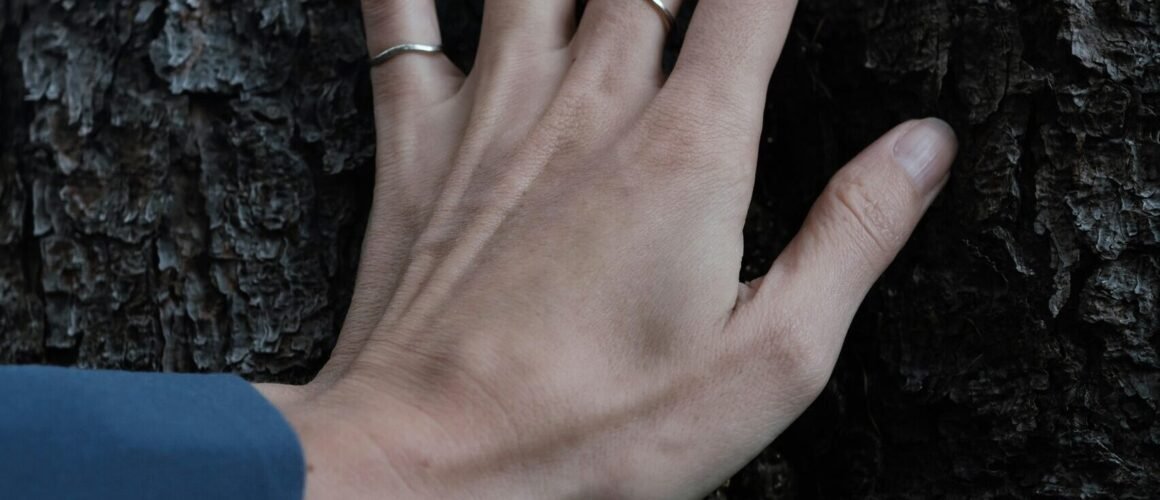
I tip my head back to look at this tree. It is ancient; weather-battered, but as its magnificent foliage dances in the sunlight I am reminded of its beauty. I press my hands against it, pleading for the throb of a pulse or some other sign of life. A warmth spreads under my palms but it’s hard to tell if it’s in my hands or in the tree itself. I turn around to ask Mike, a hopeful smile spreading across my face, but he’s gone. At some point he’d decided to move on without me.

Maintaining Balance

I know good form. Your flexors and glutes should do the majority of the work in order to lift the legs. Your feet should fall in a regular cadence. A strong core will hold you so you don’t fold, maintaining minimal movement through the torso. Stability is key.

I remember Jamie McKinley. Fists bunched and arms pumping, his face is a deep pink bloom in the thin drizzle as he puffs out his lap along the painted outline of the soccer pitch. He thunders along, a good 500 metres behind the rest of the boys. As he gets closer, I see the soft orb of his stomach jiggling in the gap where his too-small t-shirt doesn’t quite meet his too-small shorts.  At the corner of the field, he turns his head towards a group of spectators. He waves wildly as he calls out, “Daaaaaad!”

I wanted to look away.

Faint cheers for the first finishers float across the field and a man mirrors Jamie’s gesture.  As he reaches into the air, his tight, torn shirt lifts to reveal his generous stomach spilling over the waistband of his baggy-kneed jeans.

“That’s my boy!”

I remember Jamie pushing his shoulders back, the sureness in his plump little legs as he drove his burst trainers into the ground and I wonder what would’ve happened if his Dad had hollered, “You’ve got no style son!” I picture Jaime running into that gust of words, a finish line come early. I imagine him faltering into a few wandering steps before curling his arms across his wilting face and folding towards the damp earth.

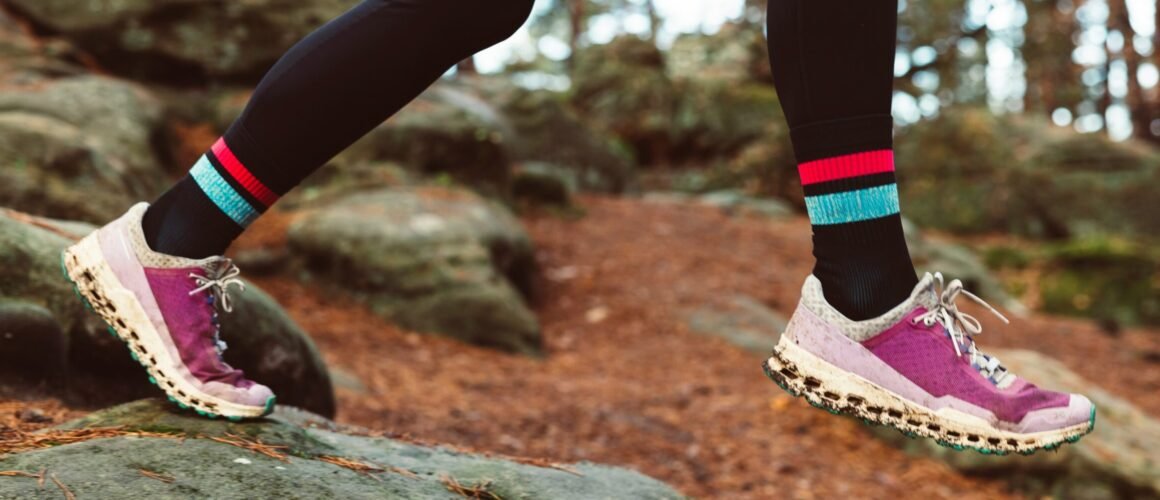
In the bush, my running is rhythmless. Broken branches tear my skin as I skid on mud and dead fronds, as I kick roots and rocks. I don’t know what keeps me on my feet but sometimes there’s a firmness where the earth springs me back. Sometimes wide, wet leaves wipe my face.

I hurtle on. Graceless. Imperfect.

Zodiac

“When I am dead,” he said, “you will stand here with your own children, on this crumbled cliff edge. As the ocean whispers in your ear, you will point to Orion’s Belt and the Plough, and look at the lights of these same smattered towns under the same moon and stars.”

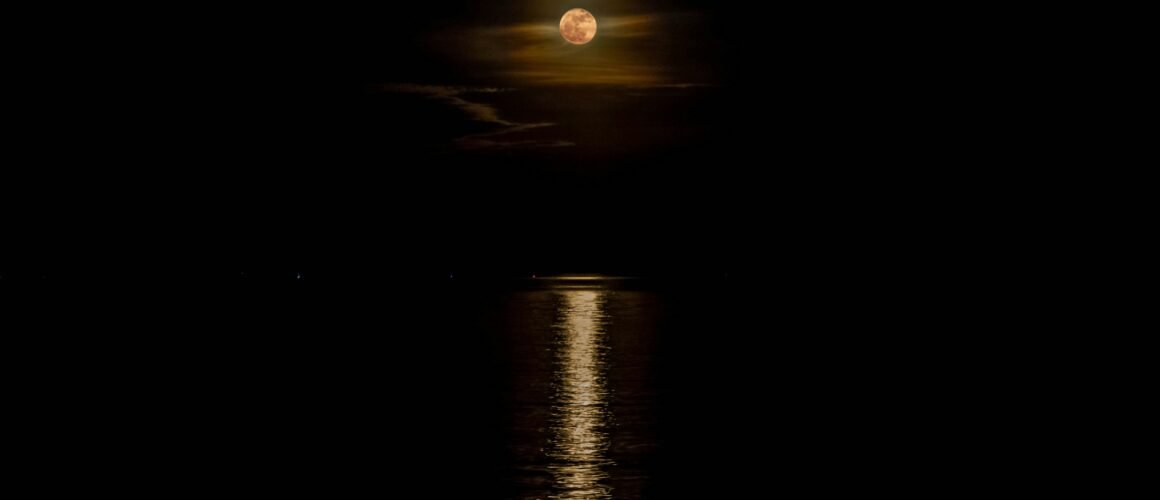
I wanted to tell him about erosion and the speed of dying light, as I stood at one end of the moon’s white pathway, laid out across the oil-dark sea. The road, pale and cold, thinned to a point on the horizon.

“Where are your children?” he asks, as I flee to the other hemisphere in muted defiance. Where an upside-down moon, a blush and juicy nectarine, hangs in the sky, and through the prism of midnight clouds her beams are no more than puddles of golden smudges, that ripple in the dark.